Best Boarding School in Haryana: A Parent's Guide to Choosing the Right Residential School
Choosing the right school is one of the most important decisions parents make for their children's future. Beyond academic performance, parents want an environment where children can develop confidence, discipline, independence, communication skills and good values.
For families considering residential education, finding the best boarding school in Haryana involves evaluating much more than classrooms and examination results. The quality of hostel accommodation, student safety, teachers, healthcare, daily routines, sports facilities and personal attention all contribute to a student's overall development.
Haryana has several educational institutions offering day-school, day-cum-boarding and residential education. However, the right choice depends on a child's academic requirements, interests, personality and the family's expectations.
Karnal International School (KIS), located in Kunjpura, Karnal, is one of the schools parents can explore when considering a CBSE-affiliated day-cum-residential education. With its academic programme, supervised boarding facilities, structured daily routine and opportunities for sports and extracurricular activities, KIS aims to provide an environment that supports learning and personal development.
In this guide, we will explain what parents should consider when choosing a residential school in Haryana, which facilities matter most, and how to evaluate a school before making an admission decision.
Quick Answer: How to Choose the Best Boarding School in Haryana?
The best boarding school is one that provides a balance of quality education, student safety, comfortable accommodation, nutritious food, healthcare, extracurricular activities and individual attention.
Before selecting a residential school in Haryana, parents should evaluate:
- CBSE or other recognised board affiliation.
- Academic curriculum and qualified teaching staff.
- Hostel safety, supervision and accommodation.
- Nutritious meals and hygienic dining facilities.
- Medical assistance and emergency healthcare.
- Daily study schedules and academic support.
- Sports, fitness and extracurricular activities.
- Communication between parents and school management.
- Transparent admission procedures and fee structures.
Parents looking for a residential school in Karnal can also explore Karnal International School to understand its academic environment and boarding facilities.
What Is a Boarding School?
A boarding school is an educational institution where students live on campus during the academic term rather than returning home every day.
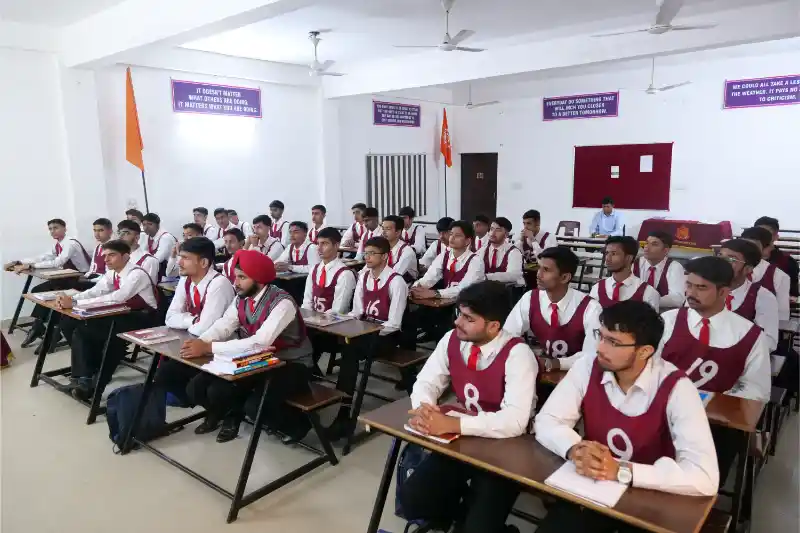
Students attend regular classes, participate in extracurricular activities, follow supervised study schedules and live in designated residential accommodation.
Unlike conventional day schools, boarding schools provide a more structured environment in which education, physical activities, personal development and daily routines are integrated into students' lives.
Most boarding schools provide facilities such as:
- Residential dormitories.
- Hostel wardens and supervision.
- Dining and meal arrangements.
- Dedicated study hours.
- Sports and recreational facilities.
- Medical assistance.
- Personal development activities.
A residential school can help students develop independence, responsibility, time management and social skills when supported by appropriate supervision and emotional care.
Types of Residential Schools in Haryana
Before searching for the best boarding school in Haryana, parents should understand the different types of residential education available.
1. Full Residential Schools
In a full residential school, students live on campus throughout the academic term. Their academic schedules, accommodation, meals, supervised study and extracurricular activities are generally organised within the school environment.
This arrangement may suit families looking for a structured residential learning experience.
2. Day-Cum-Residential Schools
A day-cum-residential school offers both day-school education and hostel accommodation.
Students who live nearby can attend school and return home, while eligible residential students stay on campus.
This arrangement offers flexibility for families with different accommodation requirements.
Karnal International School is a day-cum-residential institution, allowing parents to explore its academic and boarding environment.
Explore: KIS Boarding Facilities
3. Government Residential Schools
Government residential institutions provide education and accommodation under government-supported educational programmes.
Depending on the institution, admission eligibility, selection procedures, fees and facilities may differ.
Parents should check the specific admission requirements and available facilities before applying.
Why Are Parents Choosing Residential Schools for Their Children?
Residential education offers a learning environment that extends beyond regular classroom hours.
When a school provides the right balance of academic guidance, personal attention, discipline and recreation, students get opportunities to develop skills that are useful throughout their lives.
Here are some important reasons why parents consider boarding education.
1. A Structured Daily Routine
A structured routine helps students understand the importance of time management and consistency.
From morning fitness activities to classroom learning, supervised study and evening sports, a planned schedule encourages students to balance their responsibilities.
Students gradually learn to manage their time, complete assignments and participate in different activities.
2. Development of Independence
Living away from home under appropriate adult supervision encourages children to become more responsible.
Students learn to:
- Organise their daily activities.
- Maintain personal hygiene.
- Manage their belongings.
- Follow schedules.
- Take responsibility for their studies.
- Cooperate with other students.
These experiences can help prepare students for higher education and future responsibilities.
3. Academic Support Beyond Classroom Hours
A good residential school should provide opportunities for students to revise lessons, complete assignments and seek academic guidance outside regular classroom hours.
Supervised study sessions and access to teachers can help students identify learning difficulties and improve their understanding of subjects.
4. Opportunities for Sports and Extracurricular Activities
Education is not limited to textbooks and examinations.
Sports, music, art, debates, competitions and group activities allow students to discover their interests and develop teamwork, leadership and communication skills.
A balanced school environment gives students opportunities to explore both academic and non-academic interests.
5. Social Skills and Teamwork
Living with other students encourages cooperation, communication and mutual respect.
Students participate in group activities, share responsibilities and learn to understand different perspectives.
These experiences can contribute to their social and emotional development.
10 Important Factors to Consider When Choosing a Residential School in Haryana
Selecting a school requires careful research. Parents should compare multiple aspects instead of making a decision based only on advertisements or rankings.
1. School Affiliation and Academic Curriculum
The first step is to verify the school's educational board and affiliation status.
Parents considering a CBSE residential school in Haryana should check:
- Whether the school has a valid CBSE affiliation.
- Which classes are covered by its affiliation.
- Whether the institution offers the required subjects.
- The qualifications and experience of teaching staff.
- Academic support and assessment methods.
CBSE affiliation information can be verified through the official CBSE SARAS portal.
Karnal International School is listed in the CBSE affiliation database under affiliation number 531240. Parents can verify the school's affiliation details.
2. Safe and Comfortable Hostel Accommodation
Hostel accommodation is one of the most important factors when selecting a residential school.
Students should have access to clean, comfortable and properly supervised living spaces.
Parents should check:
- Dormitory arrangements.
- Separate accommodation arrangements where applicable.
- Ventilation and cleanliness.
- Bathroom and sanitation facilities.
- Availability of hostel wardens.
- Security arrangements.
- Student supervision during the day and night.
At KIS Karnal, the boarding facilities include separate junior and senior boys' dormitories, hostel wardens, CCTV monitoring and dedicated study spaces.
Read more: Explore KIS Boarding Accommodation
3. Healthcare and Student Wellbeing
Children living away from home need access to appropriate healthcare and adult support.
Parents should understand how the school handles medical emergencies, routine health concerns and student wellbeing.
Important questions include:
- Is medical assistance available on campus?
- What happens during a medical emergency?
- Is there an arrangement with a nearby hospital?
- How are parents informed about health concerns?
- Who is responsible for student welfare?
KIS describes its healthcare arrangements as including an in-house medical facility, regular health checkups and access to a nearby multispecialty hospital for emergencies.
4. Nutritious Food and Hygiene
Food plays an important role in a student's health, concentration and physical development.
A good hostel mess should provide balanced meals, maintain kitchen hygiene and consider students' dietary requirements.
Parents should check:
- Daily breakfast, lunch and dinner arrangements.
- Food preparation and kitchen cleanliness.
- Drinking water facilities.
- Meal variety.
- Special dietary arrangements.
- Dining area hygiene.
KIS provides a hostel mess with a planned menu, hygiene practices and arrangements for student dietary needs.
5. Qualified Teachers and Academic Guidance
A residential school should have teachers who can support students inside and outside the classroom.
Parents should understand the school's approach to teaching, assessments, doubt-solving and individual academic support.
A strong academic environment should encourage students to ask questions, develop analytical thinking and build a deeper understanding of subjects.
6. Sports and Physical Development
Physical fitness is an important part of a balanced education.
Parents should look for schools that provide suitable opportunities for sports, fitness and recreational activities.
Depending on the school's facilities, these may include:
- Football.
- Cricket.
- Basketball.
- Volleyball.
- Athletics.
- Yoga.
- Indoor games.
- Physical fitness activities.
Students should have regular opportunities to participate in physical activities alongside academics.
7. Leadership and Personality Development
Residential education can provide opportunities to develop leadership and communication skills.
House systems, team competitions, debates, cultural activities and student responsibilities can encourage students to participate and develop confidence.
Parents should ask how the school encourages students to take initiative and participate in group activities.
8. Academic and Competitive Examination Preparation
Students interested in professional careers may benefit from additional academic guidance.
Depending on the student's interests, parents can explore schools offering foundation programmes or preparation for:
- JEE for engineering.
- NEET for medical education.
- NDA for defence services.
- CUET for undergraduate admissions.
- Olympiads and other academic competitions.
KIS provides information about its JEE, NEET, NDA and other career preparation programmes.
Explore: KIS Admissions and Career Preparation
9. Communication Between Parents and School
Even when students live on campus, parents should remain involved in their education and wellbeing.
Before taking admission, understand:
- How parents can contact hostel staff.
- How academic progress is communicated.
- How medical or disciplinary concerns are reported.
- Whether parents can visit the campus.
- What communication arrangements are available to students.
Clear communication builds confidence and helps parents remain connected to their children.
10. Location and Accessibility
The school's location should also be considered.
Parents should evaluate travel convenience, access to healthcare, campus surroundings and the ease of visiting the school.
Karnal is one of Haryana's established educational centres. Families exploring residential schools in the state can consider schools in Karnal alongside other locations based on their requirements.
KIS is situated in Kunjpura, Karnal, Haryana.
Location and directions: Contact Karnal International School
Why Consider Karnal International School for Residential Education in Haryana?
When comparing residential schools in Haryana, parents should look beyond general claims and understand the actual facilities and educational environment offered by each institution.
Karnal International School (KIS), located in Kunjpura, Karnal, is a CBSE-affiliated English-medium day-cum-residential school established in 2007, according to its institutional website.
The school focuses on academic learning, student discipline, physical development and personality building.
Here are some of the facilities and programmes parents can explore at KIS.
1. Academic Learning and CBSE Curriculum
KIS follows a CBSE-affiliated educational programme designed to support academic development and prepare students for future educational opportunities.
The academic environment focuses on classroom learning, practical activities, subject understanding and student participation.
Parents can explore the school's academic approach and curriculum through its official website.
2. Supervised Boarding Accommodation
The school provides boarding accommodation with separate dormitory arrangements for junior and senior boys.
The facilities described by the school include:
- Dedicated hostel wardens.
- CCTV monitoring.
- Ventilated living spaces.
- Clean bathroom facilities.
- Dedicated study rooms.
- Power backup arrangements.
- Hostel phone facilities for parent communication.
These arrangements are intended to provide students with a supervised residential environment.
3. Healthcare and Student Safety
Student health and safety are essential parts of residential education.
KIS describes its healthcare arrangements as including an in-house medical facility, regular health checkups and access to a nearby multispecialty hospital for emergency medical requirements.
Parents are encouraged to visit the campus and understand the school's healthcare and emergency procedures directly.
4. Hostel Mess and Food Arrangements
Students need balanced meals to support their everyday activities and development.
KIS provides hostel dining arrangements with a planned menu and an emphasis on food hygiene.
The school also describes arrangements for dietary requirements and feedback regarding hostel meals.
5. Structured Daily Routine
A planned daily schedule helps residential students maintain a balance between education, physical fitness, meals, recreation and rest.
KIS follows seasonal schedules for its hostellers.
The routine includes:
- Morning fitness activities.
- Personal hygiene and preparation.
- Breakfast and self-study.
- Regular classroom sessions.
- Lunch and rest.
- Afternoon study hours.
- Sports and activities.
- Dinner and guided study.
- Night-time rest.
The timings differ between summer and winter schedules.
This structured approach is designed to encourage discipline, consistency and time management.
6. Sports and Holistic Development
A student's development should include physical fitness, teamwork and opportunities to explore personal interests.
KIS integrates sports, competitions, Olympiad preparation and other activities into its school environment.
These activities provide students with opportunities to develop confidence, teamwork and leadership abilities.
7. Defence Services Wing and NDA Preparation
One of the programmes parents can explore at KIS is its Defence Services Wing.
The programme is intended for students interested in pursuing careers in the Indian Armed Forces.
The school describes support in areas including:
- NDA written examination preparation.
- SSB interview guidance.
- Physical fitness and obstacle-course activities.
- Technical Entry Scheme guidance.
This gives interested students an opportunity to explore defence-related preparation alongside their regular education.
Parents should discuss the current programme structure, eligibility and available classes with the school before admission.
8. Campus Visit and Admission Guidance
Selecting a residential school is a major decision, and visiting the campus can help parents understand the environment better.
A campus visit allows parents to:
- See the classrooms and laboratories.
- Explore hostel accommodation.
- Understand food and dining arrangements.
- Meet school representatives.
- Ask questions about student supervision.
- Discuss admission eligibility and fees.
Parents can arrange a visit through the official KIS contact page.
Boarding School vs Day School: Which Is Better?
Both day schools and boarding schools offer educational opportunities. The right choice depends on a student's needs and family circumstances.
| Factor | Day School | Boarding School |
|---|---|---|
| Living arrangements | Students return home daily | Students stay on campus |
| Daily schedule | Managed between home and school | More structured campus routine |
| Study environment | Depends on home arrangements | Supervised study may be available |
| Independence | Developed mainly at home and school | More opportunities for daily responsibility |
| Social interaction | Primarily during school hours | Extends into residential life |
| Parent involvement | Daily interaction | Scheduled communication and visits |
| Activities | Generally within school timings | May extend beyond classroom hours |
Which should parents choose?
A day school may be suitable for children who benefit from living with their families and have convenient access to good educational facilities.
A boarding school may suit families seeking a structured residential environment with supervised study, extracurricular opportunities and greater independence.
Parents should consider the child's readiness and preferences before making this decision.
What Does a Typical Day Look Like in a Residential School?
A residential school's daily routine should balance academic responsibilities, physical activity, meals, personal care and sufficient sleep.
At KIS, the published hostel timetable provides an example of how different activities are organised.
| Activity | Summer Schedule | Winter Schedule |
|---|---|---|
| Morning wake-up | 5:00 AM | 5:30 AM |
| Fitness activities | 5:30–6:15 AM | 6:00–6:45 AM |
| Breakfast | 7:10–7:40 AM | 7:40–8:10 AM |
| Self-study | 7:45–8:50 AM | 8:15–9:00 AM |
| School hours | 9:00 AM–1:30 PM | 9:00 AM–1:30 PM |
| Afternoon study | 3:30–5:30 PM | 2:30–4:45 PM |
| Sports and activities | 5:30–6:40 PM | 4:45–5:45 PM |
| Dinner | 7:15–8:00 PM | 6:15–7:00 PM |
| Guided study | 8:00–9:45 PM | 7:00–10:00 PM |
| Lights out | 10:00 PM | 10:15 PM |
The above schedule is based on the school's published boarding-facilities information. Actual routines may change according to the academic session and school instructions.
Admission Process: How to Apply to a Boarding School in Haryana
The admission process varies between schools. Parents should always check the latest eligibility requirements, entrance examination details and available seats.
The following steps provide a general overview.
Step 1: Research Schools
Identify schools that match your preferred curriculum, location, residential arrangements and academic requirements.
Step 2: Check Eligibility
Review the required age, previous academic records, eligible classes and admission requirements.
Step 3: Explore the Campus
Visit the school to understand its academic facilities, accommodation, food arrangements and student support system.
Step 4: Submit the Application
Complete the school's admission application form and provide the required documents.
Step 5: Attend the Entrance Assessment
Some schools conduct written assessments, interviews or other selection procedures.
Step 6: Complete Admission Formalities
After selection, parents can complete the required documentation and fee formalities.
KIS Karnal Admission Information
KIS provides an online admission application and information about its entrance assessment.
Parents can visit the official admission pages to check the latest dates, requirements and application process.
For current admission eligibility, hostel availability and fee details, contact the admissions team directly.
Common Mistakes Parents Should Avoid When Selecting a Boarding School
Choosing a school only because it appears in a ranking or has attractive promotional material can lead to an unsuitable decision.
Parents should avoid these common mistakes:
- Choosing only on the basis of rankings: Understand the actual facilities and academic environment instead of relying entirely on online rankings.
- Ignoring hostel safety: Check supervision, security arrangements and emergency procedures.
- Not visiting the campus: A physical visit provides a better understanding of residential facilities.
- Overlooking food quality: Ask about meal planning, kitchen hygiene and dietary arrangements.
- Ignoring emotional wellbeing: Discuss how the school supports students who experience homesickness or adjustment difficulties.
- Not checking affiliation: Verify the school's educational board and current affiliation status.
- Ignoring the fee structure: Understand tuition fees, hostel charges, additional costs and refund policies.
- Not understanding communication policies: Ask how parents receive updates about academic performance and student wellbeing.
Parent's Checklist Before Finalising a Residential School
Use this checklist while comparing schools in Haryana.
- Verified school affiliation.
- Checked academic curriculum.
- Visited the school campus.
- Inspected dormitories and bathrooms.
- Discussed hostel supervision.
- Checked healthcare arrangements.
- Reviewed the food menu and hygiene.
- Understood daily study schedules.
- Explored sports and extracurricular facilities.
- Discussed parent communication policies.
- Reviewed admission eligibility.
- Understood the complete fee structure.
- Discussed the child's emotional adjustment and support.
Frequently Asked Questions About Boarding Schools in Haryana
1. Which is the best boarding school in Haryana?
The best boarding school depends on a child's academic needs, residential requirements, interests and family expectations. Parents should compare school affiliation, teaching quality, hostel facilities, student safety, healthcare, sports and extracurricular opportunities. Karnal International School is one of the CBSE-affiliated day-cum-residential schools parents can explore in Haryana.
2. Which residential school in Haryana offers CBSE education?
Several schools in Haryana offer CBSE education. Parents should verify their affiliation through the official CBSE SARAS portal and check whether the school offers residential accommodation. Karnal International School in Kunjpura, Karnal, is listed in the CBSE affiliation database under affiliation number 531240.
3. What is the difference between a boarding school and a residential school?
Both terms generally refer to schools where students can live on campus while attending regular classes. The specific arrangements may differ depending on the institution. Some schools offer full residential education, while others provide both day-school and hostel options.
4. What facilities should a good residential school provide?
A residential school should provide safe accommodation, supervised dormitories, nutritious food, clean sanitation facilities, medical support, academic guidance, sports and recreational opportunities. Parent communication and student welfare arrangements are also important.
5. Is Karnal a good location for residential schooling?
Karnal is an educational centre in Haryana with several established schools. Parents considering residential education in Karnal can compare available institutions based on curriculum, hostel facilities, location and admission requirements.
6. Does Karnal International School offer hostel facilities?
Yes. Karnal International School provides residential boarding facilities with separate junior and senior boys' dormitories, hostel wardens, CCTV monitoring, study rooms, dining arrangements and healthcare support. Parents should contact the school to confirm current accommodation availability.
7. Does KIS Karnal provide NDA preparation?
KIS describes a Defence Services Wing that provides NDA written examination preparation, SSB interview guidance and physical training opportunities. Parents can contact the school to understand the current programme and eligibility requirements.
8. How can parents apply for admission to KIS Karnal?
Parents can visit the official KIS admissions page or submit an online admission test application. For current admission dates, eligibility, documents and fees, contact the admissions team through the official website.
9. How can parents check whether a school is CBSE-affiliated?
Parents can use the official CBSE SARAS affiliation directory to search for a school using its name, affiliation number or location. Always check the current affiliation period and school details.
10. What should parents check during a boarding school visit?
Parents should inspect the classrooms, dormitories, bathrooms, dining areas, medical facilities and sports infrastructure. They should also ask about hostel supervision, student safety, daily routines, food quality, parent communication and emergency procedures.
Give Your Child an Environment to Learn, Grow and Succeed
Selecting a residential school is about finding an environment where children feel supported, receive quality education and develop the confidence to face future challenges.
Parents should take time to compare different schools, visit their campuses and understand their academic and residential arrangements before making a final decision.
If you are exploring a residential school in Haryana, Karnal International School offers an academic and boarding environment that parents can explore in detail.
Discover its facilities, meet the school representatives and understand the admission process before deciding.
Explore Karnal International School today:
- Explore KIS Boarding Facilities
- View Admission Information
- Apply for an Admission Test
- Contact the KIS Admissions Team
Admissions Enquiry: +91 9996988407
Hostel Enquiry: +91 9896333260
Email: kis.coord@gmail.com
Give your child the opportunity to learn, develop independence and build a strong foundation for the future with Karnal International School.